
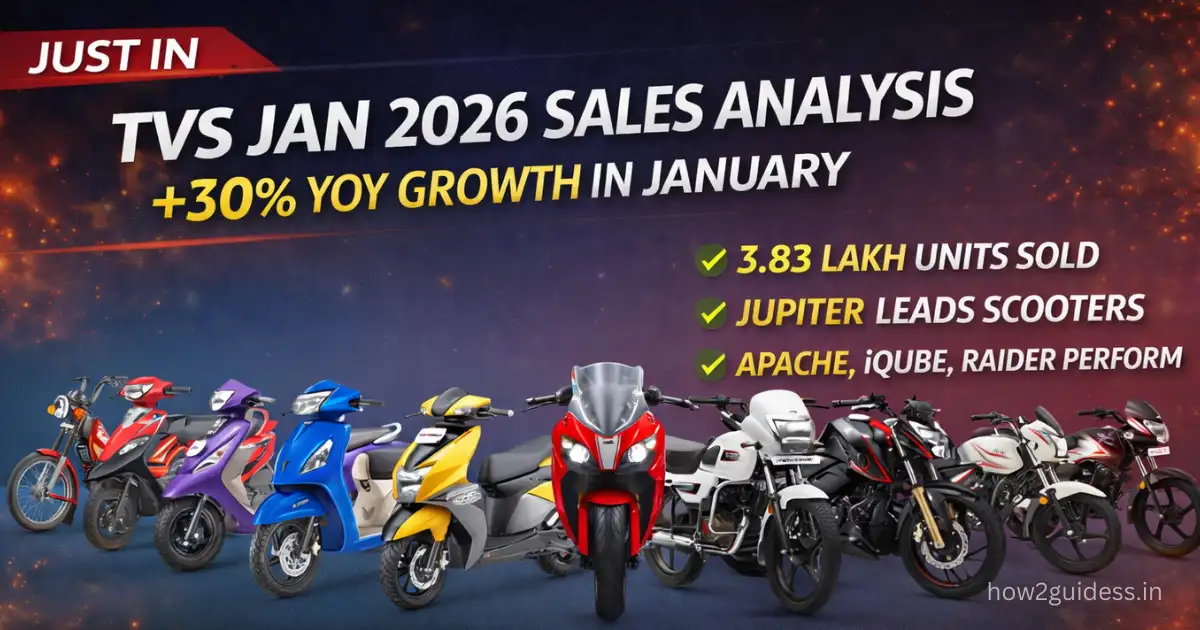
TVS January 2026 Sales Analysis: TVS Motor Company began calendar year 2026 on a strong note, reporting total domestic sales of 3,83,262 units in January, a significant jump from 2,93,860 units in January 2025.
This translates to over 30 percent year-on-year growth, allowing TVS to consolidate its position as the third-largest two-wheeler manufacturer in India, with a market share close to 20 percent, up by 0.65 percentage points.
A closer look at the numbers shows that this growth is not dependent on a single segment. Instead, it reflects a well-balanced portfolio strategy, spanning scooters, commuter motorcycles, premium offerings and electric vehicles.
Also Read: Tata Motors January 2026 Sales Analysis: Nexon, Punch, Sierra Drive Growth
TVS January 2026 Sales Analysis: Overall Performance Snapshot
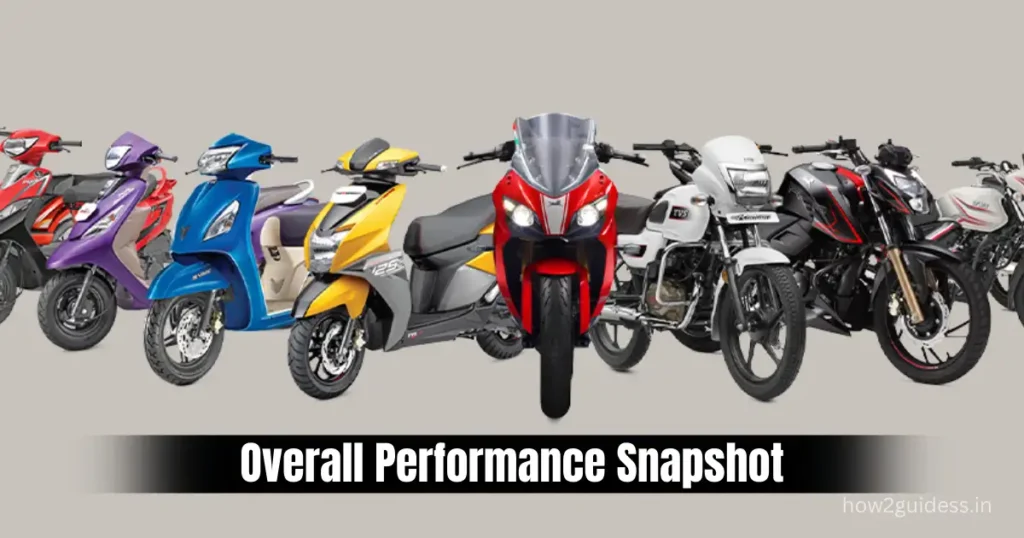
The table below highlights TVS Motor’s key models and their year-on-year performance:
| Model | Jan 2026 Sales | Jan 2025 Sales | YoY Growth |
|---|---|---|---|
| Jupiter | 1,29,744 | 1,07,847 | 20% |
| Apache Range | 51,191 | 34,511 | 48% |
| XL 100 | 48,607 | 41,872 | 16% |
| iQube Electric | 37,560 | 25,049 | 50% |
| Ntorq | 36,596 | 23,795 | 54% |
| Raider | 36,069 | 27,382 | 32% |
| Radeon | 13,821 | 10,501 | 32% |
| Sport | 10,966 | 7,016 | 56% |
| Zest | 9,410 | 9,100 | 3% |
| Ronin | 8,247 | 3,633 | 127% |
| RR310 | 1,011 | 402 | 151% |
| Star City | 40 | 2,752 | -99% |
Jupiter and Scooter Portfolio: Stability with Scale
The Jupiter continues to be TVS Motor’s single largest product, clocking 1,29,744 units in January 2026. Its 20 percent YoY growth and 8 percent month-on-month rise underline the sustained demand for family-oriented, reliable scooters.
Alongside Jupiter, the Ntorq delivered one of the strongest growth rates in the portfolio, expanding by 54 percent YoY. This shows that TVS has managed to cater to two distinct scooter buyer groups—utility-focused households and younger, performance-oriented customers—without overlap or cannibalisation.
For Indian buyers, this signals continued product relevance in a market where scooters remain the preferred urban mobility solution.
Motorcycles: Apache, Raider and the Shift Toward Performance
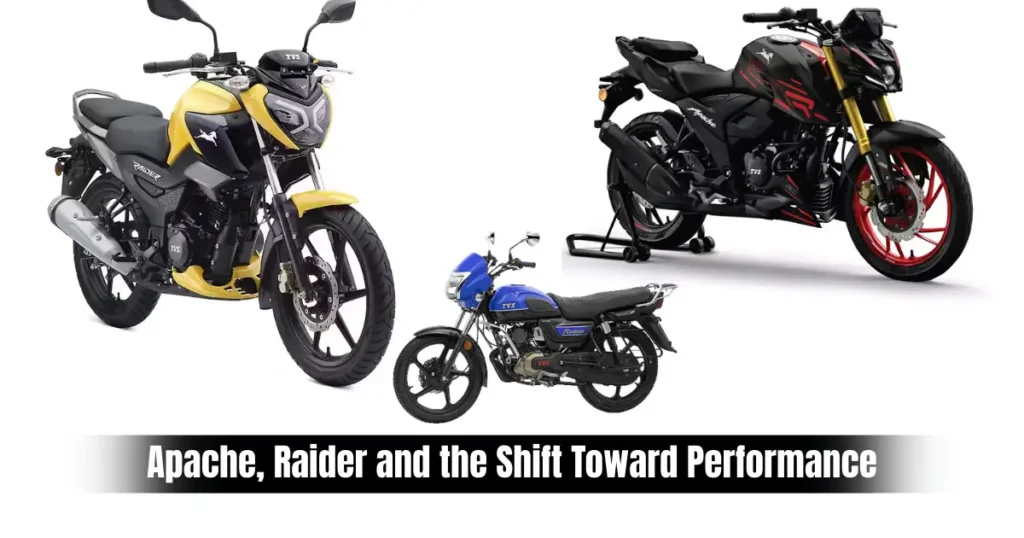
Among motorcycles, the Apache range remains a key growth driver. Sales rose to 51,191 units, marking a 48 percent YoY increase and a 12 percent MoM rise. This growth reflects sustained interest in sporty motorcycles that offer a blend of performance, features and brand credibility.
The Raider emerged as a standout performer in the commuter segment. With 36,069 units sold, it recorded 32 percent YoY growth and a sharp 58 percent MoM jump. The Raider’s success highlights a shift in commuter buyer behaviour, where design, digital features and riding dynamics are increasingly influencing purchase decisions.
Meanwhile, the Radeon also posted steady gains, reinforcing TVS’s strong footing in the practical commuter space.
Electric Mobility: iQube’s Consistent Climb
TVS’s electric ambitions continue to take shape through the iQube Electric, which sold 37,560 units in January 2026. The 50 percent YoY growth reflects rising consumer confidence in electric scooters, while the modest 7 percent MoM growth indicates a maturing demand curve rather than volatility.
This consistency is important in a market where EV adoption is still infrastructure-dependent. For buyers, the iQube’s numbers suggest growing acceptance of electric scooters as daily-use vehicles rather than early-adopter experiments.
Premium and Lifestyle Motorcycles: Ronin and RR310
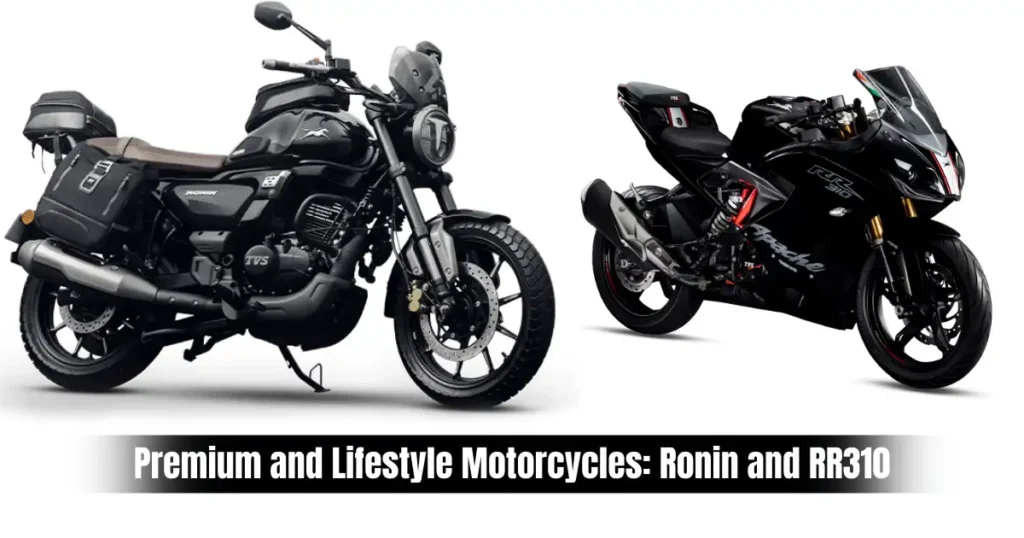
The Ronin delivered one of the most striking performances in TVS’s lineup. Sales more than doubled to 8,247 units, reflecting 127 percent YoY growth. This indicates that lifestyle-oriented motorcycles are gaining traction beyond metro markets.
Similarly, the RR310, despite being a niche product, recorded 151 percent YoY growth. While volumes remain low, the growth trend points to increasing interest in premium, performance-focused motorcycles.
For TVS, these models help strengthen brand perception and expand margins, even if they don’t contribute heavily to overall volume.
Products Losing Relevance
Not all models shared in the growth. The Star City saw a near-complete collapse in sales, and the Pep+ remains absent from the market. This suggests that TVS is gradually rationalising its lineup, moving away from older platforms that no longer align with buyer expectations or regulatory demands.
What This Means for the Indian Two-Wheeler Market
TVS January 2026 Sales Analysis performance reflects broader industry trends:
- Buyers are increasingly value-conscious but not price-obsessed
- Feature-rich commuters and sporty motorcycles are gaining preference
- Electric scooters are moving from early adoption to steady demand
- Legacy models without updates are rapidly losing relevance
For the industry, TVS’s growth underscores the importance of portfolio diversity and timely product refresh cycles.
Conclusion
TVS January 2026 Sales Analysis performance is not just about strong numbers but about balanced growth across segments. From the Jupiter’s scale to Apache’s performance appeal, Raider’s commuter success and iQube’s electric momentum, TVS appears well-positioned to navigate evolving buyer expectations.
If the company continues refining its product mix while investing in electric mobility and premium offerings, it is likely to remain a key force shaping India’s two-wheeler market in the near term, even as competition intensifies.
Disclaimer: TVS January 2026 Sales Analysis figures and percentage changes mentioned in this article are based on officially released company data for January 2026. Market share estimates and comparisons are calculated using available industry information at the time of publication.
Also Read: Global EV Sales Fall 3% in January 2026 as China and US Demand Slows

Raj Prajapati is a senior automobile content writer at How2Guidess.in with over 3 years of experience in auto news, vehicle launches, comparisons, and EV updates. With a background in Computer Science & Engineering, he focuses on research-based, clear, and reader-friendly automobile content.