
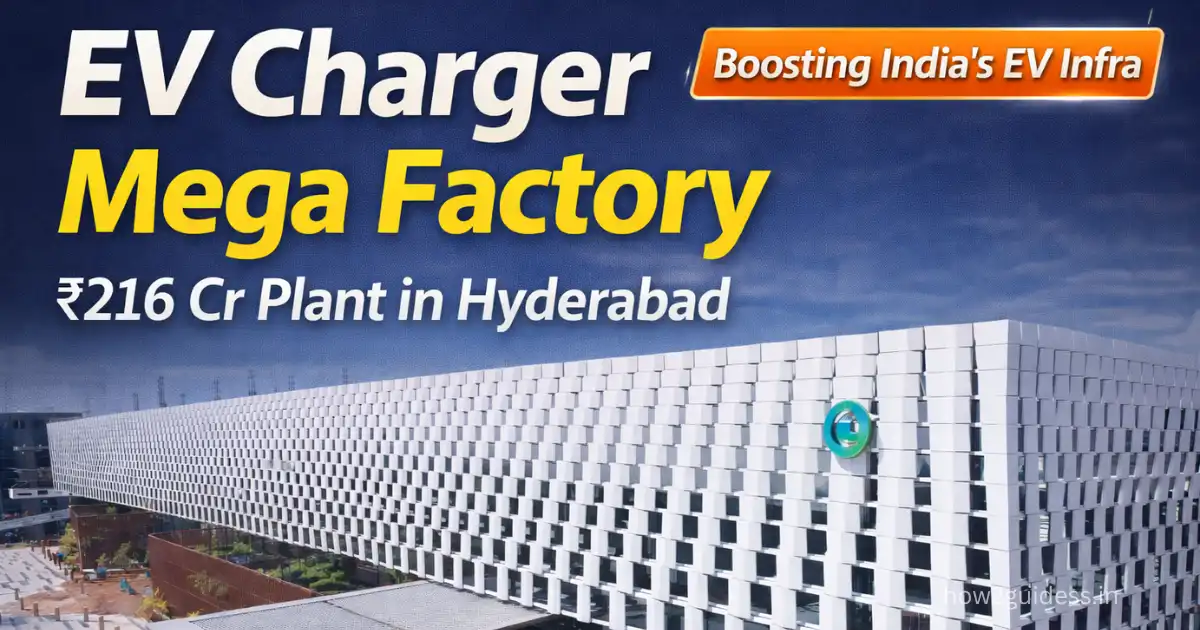
India’s electric vehicle ecosystem is expanding rapidly, and infrastructure development has become one of the key pillars supporting this transition. In a significant step toward strengthening the EV supply chain, Exicom Tele-Systems Limited has inaugurated the new Exicom EV charging equipment manufacturing facility in Hyderabad, dedicated to producing EV charging hardware, lithium-ion battery systems and advanced power electronics.
The new manufacturing complex represents a major investment aimed at supporting the growing demand for electric vehicle infrastructure in India.
As EV adoption increases across passenger cars, two-wheelers and commercial vehicles, the need for reliable charging equipment and power solutions is also rising. The facility is expected to play an important role in strengthening India’s domestic EV manufacturing ecosystem.
Also Read: Indonesia Pauses Tata and Mahindra Truck Order: What It Means for the Auto Industry
A Major Investment To Expand EV Infrastructure Manufacturing
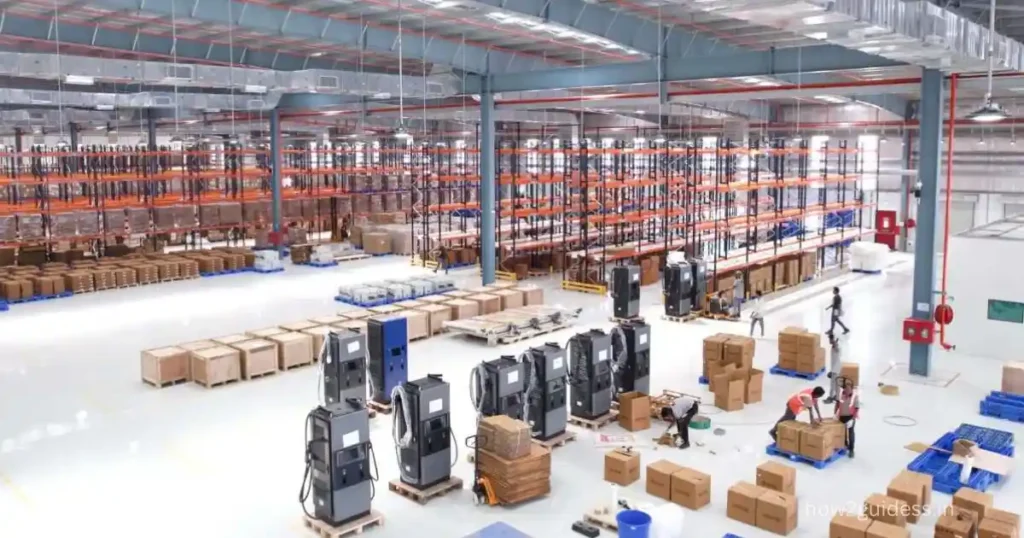
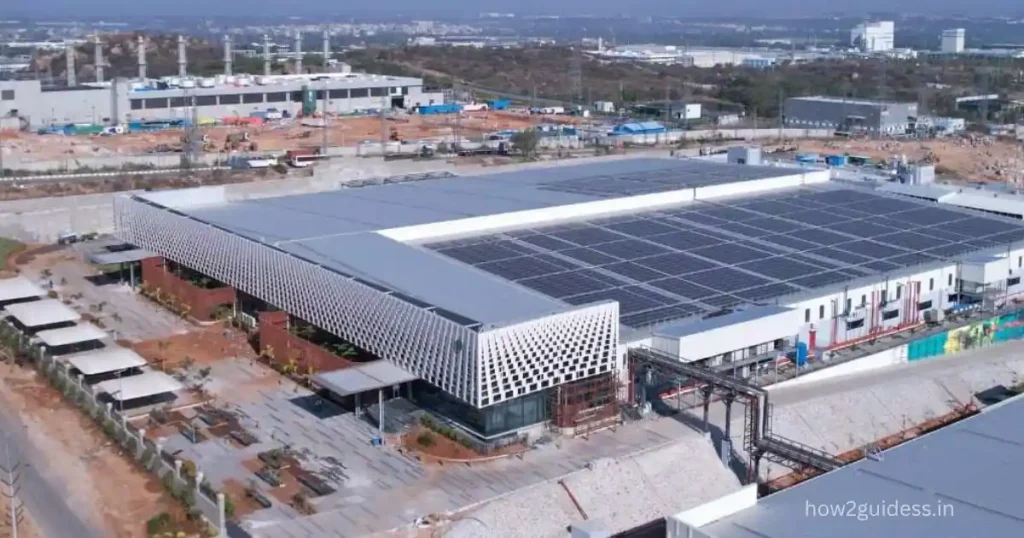
The Exicom EV charging equipment manufacturing facility has been developed with an investment of around ₹216 crore. Spread across approximately 18.4 acres, the plant features a built-up area of nearly 2.8 lakh square feet.
According to the company, the first phase of operations will significantly increase manufacturing capacity. Production capability is expected to grow by about 2.5 times compared with the company’s previous output levels.
Apart from expanding production capacity, the project is also expected to create employment opportunities in the region. More than 750 jobs could be generated as the facility scales up its operations.
For India’s EV sector, such investments are important because the industry relies heavily on charging infrastructure and power electronics to support large-scale electric mobility.
Focus On EV Chargers, Battery Systems And Power Electronics
The new Exicom EV charging equipment manufacturing facility will primarily manufacture EV charging solutions along with lithium-ion battery systems and critical power infrastructure products.
These components are essential for supporting multiple industries, including:
| Product Category | Industry Applications |
|---|---|
| EV Charging Equipment | Electric cars, two-wheelers and commercial vehicles |
| Lithium-Ion Battery Systems | Electric mobility and energy storage |
| Power Electronics Solutions | Telecom networks and data centres |
| Critical Power Infrastructure | Industrial and infrastructure power backup |
While electric mobility remains a major focus, the technologies produced at the plant also serve sectors such as telecommunications networks and data centres where uninterrupted power supply is essential.
As India’s EV charging network expands across cities and highways, domestic production of charging equipment could help improve availability and reduce reliance on imported technology.
Interoperability Testing Centre For EV Chargers
One of the key developments planned within the Exicom EV charging equipment manufacturing facility is an EV charger interoperability testing centre.
This testing facility is designed to ensure that EV charging equipment can work smoothly with vehicles from different manufacturers and across multiple charging networks.
In practical terms, interoperability testing verifies whether a charging station can communicate effectively with various EV models. Since India’s EV market includes vehicles from many manufacturers with different charging technologies, compatibility is crucial for creating a reliable nationwide charging ecosystem.
Improving interoperability could also help reduce charging issues for EV owners and ensure smoother operation across public charging networks.
Also Read: Cash Toll Payment Ban in India: NHAI Plans Digital-Only Toll System
Advanced Manufacturing With Industry 4.0 Technology
The Hyderabad plant incorporates modern production systems based on Industry 4.0 manufacturing principles. These include automated production lines, robotic assembly systems and digital monitoring tools that help track performance and quality during manufacturing.
The facility also includes an ISO Class 8 cleanroom environment along with specialised testing infrastructure. These setups allow engineers to test products under demanding real-world conditions and ensure durability.
High-precision manufacturing is particularly important for EV chargers and power electronics because these systems handle high-voltage electricity and must operate reliably across a wide range of environmental conditions.
Sustainability Measures Built Into The Facility
Environmental sustainability has also been integrated into the design of the Exicom EV charging equipment manufacturing facility.
Nearly 40 percent of the campus area has been dedicated to green cover. The plant also features a 1 MW rooftop solar power installation, which helps offset part of the electricity consumption required for manufacturing operations.
Additional sustainability measures include:
- Rainwater harvesting systems
- Sewage treatment facilities for water recycling
- Infrastructure designed to comply with Indian Green Building Council standards
These features reflect the broader goal of aligning EV infrastructure manufacturing with environmentally responsible industrial practices.
Compliance With Global Manufacturing Standards

The new facility adheres to several internationally recognised quality and safety standards.
These include:
- IATF 16949 for automotive-grade manufacturing
- ISO 9001:2015 for quality management
- ISO 14001:2015 for environmental management
- ISO 45001:2018 for occupational health and safety
Compliance with these certifications ensures that products manufactured at the Exicom EV charging equipment manufacturing facility meet global quality benchmarks.
For EV charging equipment, maintaining strict manufacturing standards is essential because reliability and safety are critical when handling high-power electrical systems.
Why This Matters For India’s EV Ecosystem
India’s transition toward electric mobility depends not only on vehicle manufacturers but also on infrastructure providers and component suppliers.
Facilities like the Exicom EV charging equipment manufacturing facility help strengthen the domestic supply chain for EV charging technology. Local manufacturing can improve availability of chargers, reduce costs and accelerate the expansion of charging infrastructure.
For EV buyers, better infrastructure availability could translate into easier charging access and reduced concerns about charging reliability.
At the same time, investments in EV infrastructure manufacturing support the government’s broader goal of increasing domestic production in clean mobility technologies.
Conclusion
The inauguration of the Exicom EV charging equipment manufacturing facility in Hyderabad highlights the growing importance of EV infrastructure in India’s transition toward electric mobility.
With a significant investment, expanded production capacity and advanced manufacturing technologies, the facility is positioned to support rising demand for EV chargers and power electronics.
As the electric vehicle market continues to expand, developments like this will play an essential role in strengthening the country’s EV ecosystem and ensuring that charging infrastructure grows alongside vehicle adoption.
Note: The information presented in this article is based on official announcements and currently available reports. Production capacity, operational scale and infrastructure capabilities may evolve as the facility expands operations in the future.
Also Read: Repeat PUC Violations May Lead to RC Cancellation, Warns Odisha Transport Minister

Raj Prajapati is a senior automobile content writer at How2Guidess.in with over 3 years of experience in auto news, vehicle launches, comparisons, and EV updates. With a background in Computer Science & Engineering, he focuses on research-based, clear, and reader-friendly automobile content.