
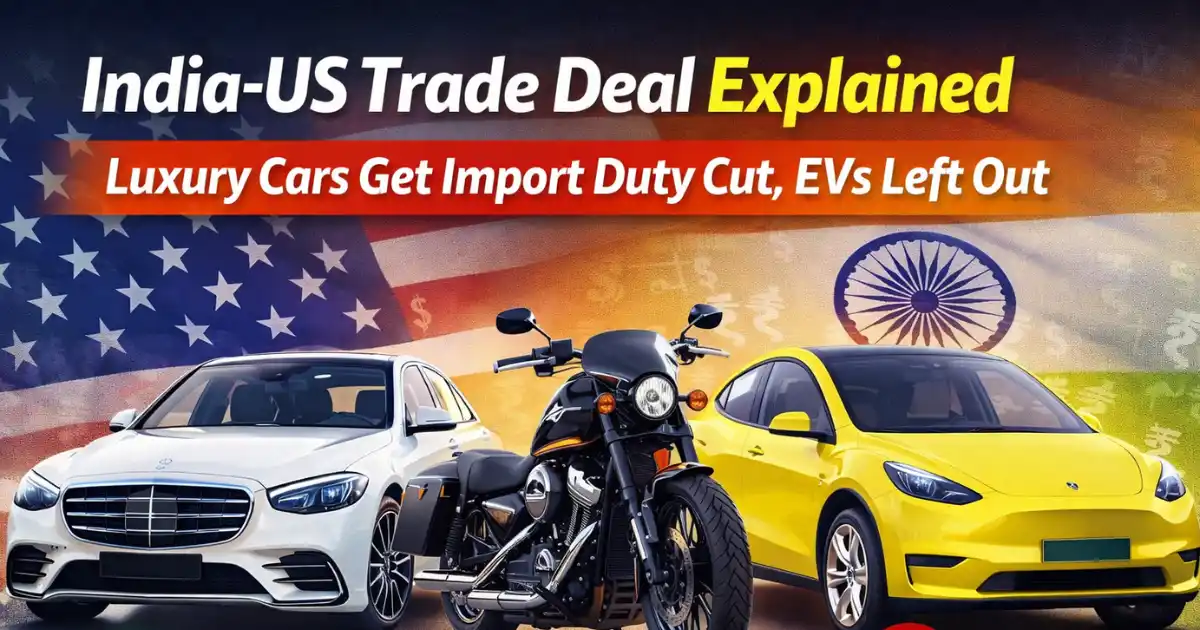
India US Trade Deal: India and the United States are close to finalising an interim trade agreement that could reshape how certain American vehicles enter the Indian market. According to a report by Reuters, the proposed deal significantly reduces import duties on select US-made automobiles and motorcycles. However, electric vehicles remain outside the scope of these concessions.
Here is a clear breakdown of what the proposal includes, what it excludes, and why it matters to Indian buyers and the wider auto industry.
Also Read: Tata Punch EV Facelift Unveiled Ahead of February 20 Launch
What Is Being Proposed?
Under the draft framework, India plans to sharply reduce import duties on premium internal combustion engine (ICE) cars manufactured in the United States. Currently, fully imported cars face duties ranging from 70 percent to as high as 110 percent, depending on engine size and value.
The new proposal cuts this duty to 30 percent, but only for petrol-powered vehicles with engine capacities above 3,000cc. Importantly, this reduction will not happen overnight. The duty cuts will be phased in gradually over a 10-year period, suggesting a cautious approach rather than a sudden market opening.
In addition to cars, US-made motorcycles are set to receive zero-duty access into India, a move that could have a more immediate impact.
Which Vehicles Are Covered and Which Are Not?
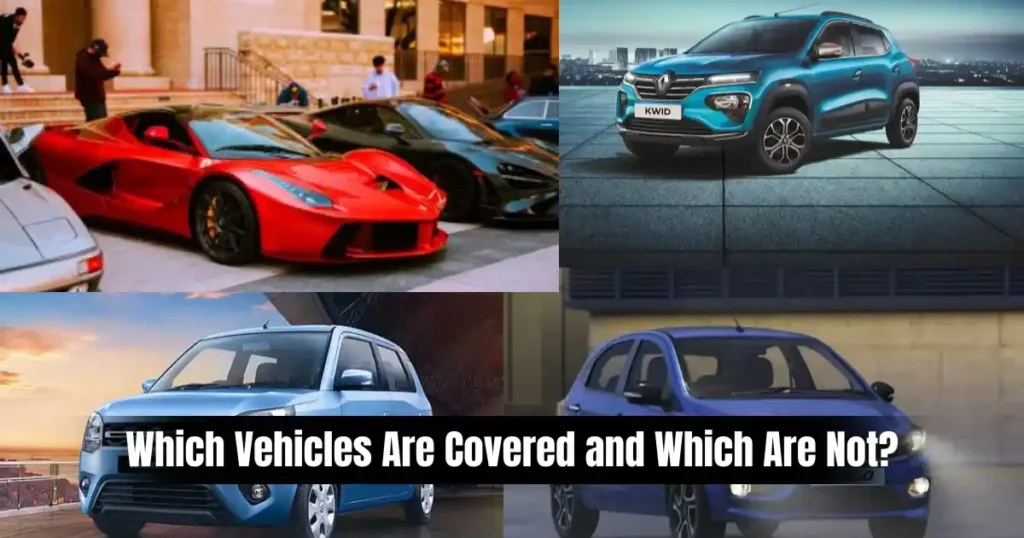
The concessions apply strictly to large-capacity ICE vehicles. Smaller cars, mass-market models, and all electric vehicles are excluded.
Electric vehicles have been deliberately kept out of the agreement. This means EVs imported from the US will continue to attract the same high duties as before. As a result, brands that rely heavily on electric-only portfolios will not benefit from this trade deal.
This exclusion effectively shuts the door on any near-term tariff relief for companies like Tesla, which has consistently cited India’s steep import taxes as a barrier to entering the market without local manufacturing.
Why Are EVs Excluded?
India’s decision to exclude electric vehicles appears to be strategic. The government is keen to promote domestic EV manufacturing and avoid a flood of high-priced imports that could undermine local investment.
Allowing low-duty EV imports from the US could weaken incentives for global manufacturers to set up factories in India. By keeping EVs out of the agreement, India retains leverage to push automakers toward local assembly and production, which aligns with its long-term industrial policy.
Interestingly, this approach differs from India’s trade negotiations with the European Union, where lower tariffs across a broader range of vehicles, including some EVs, are reportedly under discussion. This contrast suggests India is applying different tariff strategies depending on the trade partner.
Zero Duty for US Motorcycles: Why It Matters
While car imports from the US remain limited in volume, premium motorcycles tell a different story. Large-capacity cruisers and touring bikes from American brands already have a visible presence on Indian roads.
Granting zero-duty access to US-made motorcycles is expected to benefit manufacturers such as Harley-Davidson. Lower import duties could translate into more competitive pricing, potentially expanding the premium motorcycle segment in India.
For Indian buyers interested in high-end bikes, this is where the deal could have the most tangible impact in the short term.
Protecting India’s Domestic Auto Industry
India is currently the world’s third-largest car market, after the United States and China. High import duties have long been used as a tool to protect domestic manufacturers and encourage foreign automakers to invest locally rather than rely on imports.
These tariffs have shaped the Indian market by making completely built units expensive while favouring locally assembled or manufactured vehicles. The proposed tariff reductions do not dismantle this structure. Instead, they selectively ease restrictions on a narrow category of vehicles that do not directly compete with mass-market domestic products.
Will Prices Actually Come Down?
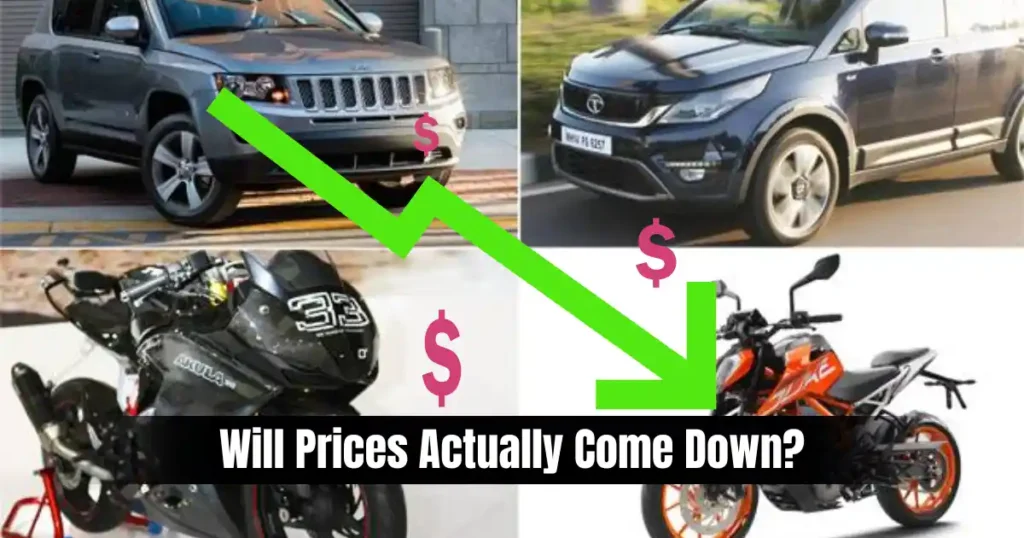
While a reduction from 110 percent to 30 percent sounds dramatic, the real-world impact on prices will depend on several factors. The cuts will be phased in over a decade, and the final pricing will depend on how quickly each stage is implemented and whether additional conditions or volume caps are introduced.
For now, the agreement is more about long-term trade alignment than immediate price drops at dealerships.
What Happens Next?
The interim trade agreement is expected to be formalised in March. Until then, details such as timelines, eligibility criteria, and enforcement mechanisms remain unclear.
What is clear is that India is opening the door slightly to premium ICE vehicles and motorcycles from the US, while firmly keeping electric vehicles out of the picture.
Conclusion- India US Trade Deal
The proposed India US Trade Deal marks a selective easing of import duties rather than a broad liberalisation. Premium ICE cars and motorcycles stand to benefit, while electric vehicles remain excluded to protect domestic EV ambitions.
For Indian buyers, the most visible impact is likely in the premium motorcycle segment, with limited short-term change for car buyers. In the bigger picture, the deal reflects India’s careful balancing act between trade diplomacy and safeguarding its auto manufacturing ecosystem.
Disclaimer: Details mentioned are based on reports and proposed frameworks and may change once the final trade agreement is officially notified.
Also Read: How to Align Car Wheels DIY: Complete Guide in Hindi 2026

Raj Prajapati is a senior automobile content writer at How2Guidess.in with over 3 years of experience in auto news, vehicle launches, comparisons, and EV updates. With a background in Computer Science & Engineering, he focuses on research-based, clear, and reader-friendly automobile content.