
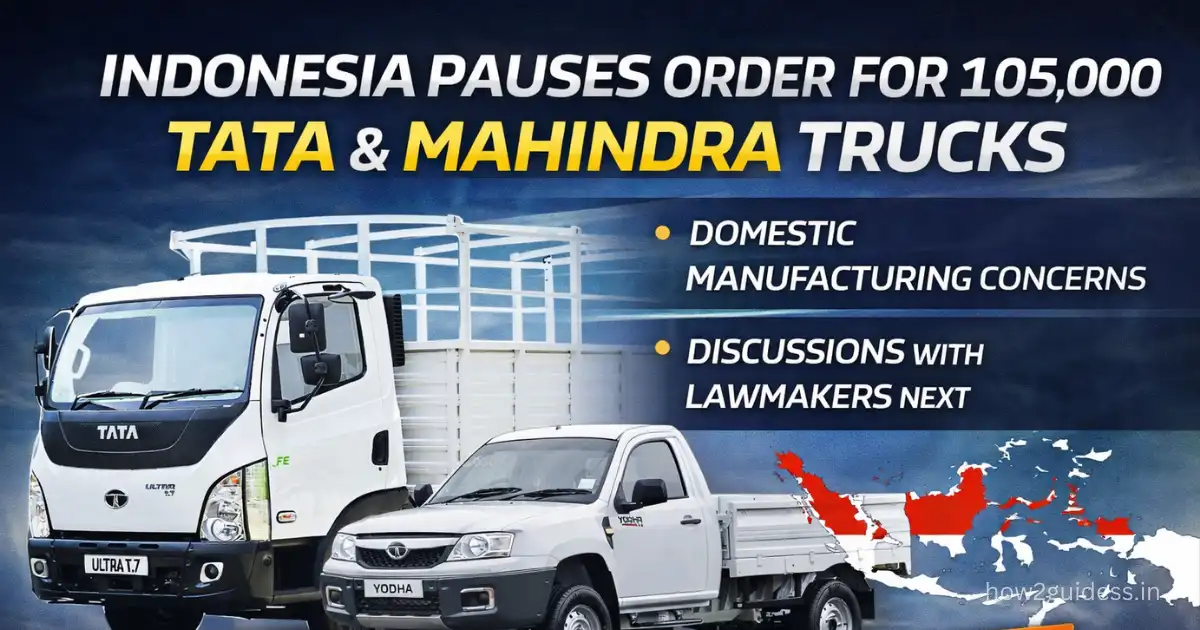
Indonesia Pauses Tata and Mahindra Truck Order: Indonesia has temporarily paused a large truck import plan involving Indian manufacturers Tata Motors and Mahindra & Mahindra. The proposed order covered around 105,000 trucks intended for use in the country’s rural cooperative network.
The decision follows criticism from local business groups and policymakers who argue that importing such a large number of vehicles could undermine Indonesia’s domestic automotive industry. For now, the order will remain suspended until discussions take place between the government and lawmakers.
This development has raised questions about how international vehicle trade intersects with local industrial policy and economic priorities.
Also Read: MotoGP India Return: UP Government Signs MoU to Revive Racing at Buddh Circuit
The Original Plan: Supporting Rural Cooperatives
The truck order was linked to an initiative by Indonesian President Prabowo Subianto aimed at expanding community cooperatives across the country. The plan envisions creating more than 80,000 village-level cooperative centres.
These cooperatives would serve as hubs for essential services such as cold storage for agricultural produce, distribution of subsidised fertilisers and access to small loans. Trucks were expected to play a crucial role in supporting logistics and transportation for these operations.
The procurement was to be managed by PT Agrinas Pangan Nusantara, a newly formed state-owned company tasked with strengthening food security and supporting agricultural projects.
Under the proposal, Mahindra would supply around 35,000 Scorpio Pik Up vehicles. Tata Motors was expected to deliver roughly 70,000 units, including Yodha pick-ups and Ultra T.7 trucks.
Why Indonesia Pauses Tata and Mahindra Truck Order
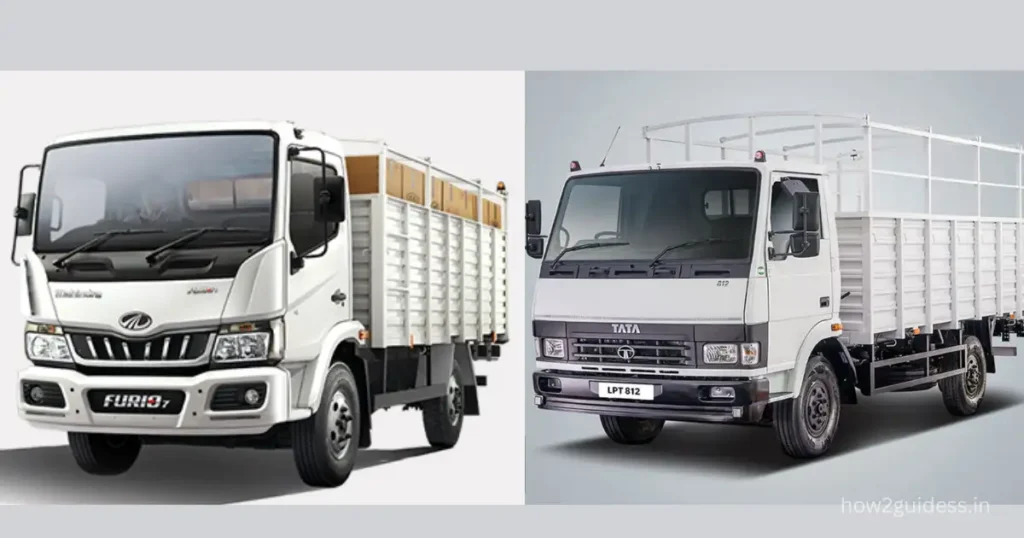
Despite the scale and potential economic impact of the cooperative programme, the import plan sparked opposition within Indonesia.
Local business associations and industry groups raised concerns that importing such a large volume of vehicles contradicts the government’s broader goal of strengthening domestic manufacturing.
Indonesia has spent years building its automotive sector into a key pillar of its economy. Policymakers have encouraged foreign manufacturers to invest in local production facilities to create jobs and support industrial growth.
Critics argued that sourcing the trucks from overseas rather than producing them locally would limit the economic benefits of the project.
Domestic Manufacturing Capacity
One of the central arguments against the import plan relates to Indonesia’s existing manufacturing capability.
According to the country’s industry ministry, Indonesia’s automotive sector has the capacity to produce around one million pick-up trucks annually. Major global brands such as Toyota, Suzuki and Mitsubishi already operate manufacturing facilities in the country.
Government officials have suggested that producing approximately 70,000 pick-up trucks domestically could generate significant economic value. Estimates indicate that local production could contribute roughly 27 trillion rupiah (about $1.6 billion) to the national economy while also creating jobs.
This perspective reflects a broader industrial policy trend in Southeast Asia, where governments often prioritise local manufacturing to strengthen supply chains and support employment.
Impact on Tata Motors and Mahindra
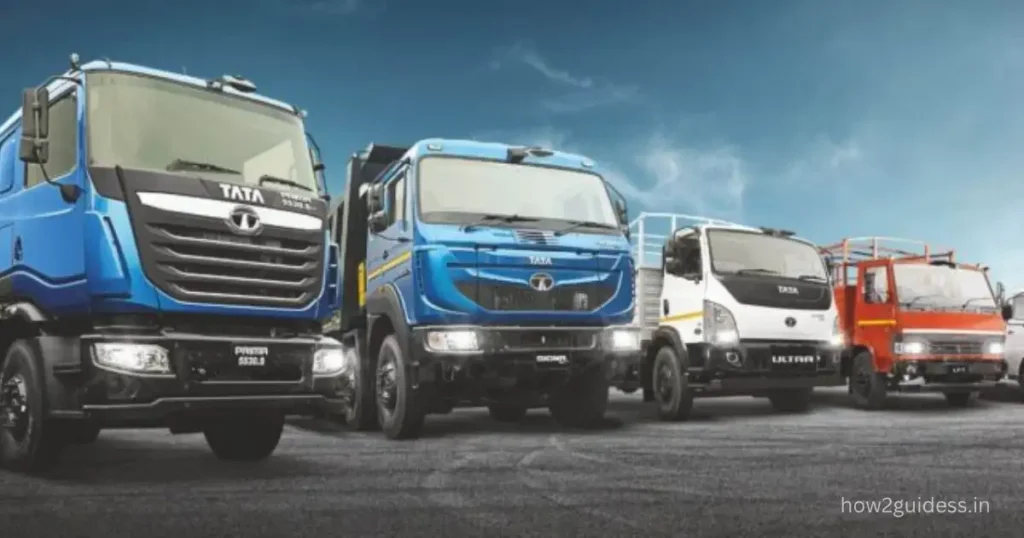
For both Indian automakers, the proposed Indonesian order represented a major export opportunity.
Mahindra described the deal as potentially its largest export order to date. Delivering tens of thousands of Scorpio Pik Up units would have significantly expanded the company’s presence in Southeast Asia.
Similarly, Tata Motors viewed the order for Yodha pick-ups and Ultra T.7 trucks as its largest shipment to Indonesia.
While the order has not been cancelled outright, the pause introduces uncertainty regarding its final outcome. Any change in sourcing strategy could affect export plans for the companies involved.
What This Means for the Global Auto Industry
The situation highlights how automotive trade decisions are often shaped by national economic priorities rather than purely commercial factors.
Many governments aim to balance foreign investment with domestic production. When large public procurement projects are involved, policymakers frequently face pressure to favour locally manufactured vehicles.
Indonesia’s decision also comes at a time when its auto market is experiencing slower demand. Vehicle sales in the country declined by more than seven per cent last year, reflecting weaker household spending and cautious lending conditions.
In such an environment, protecting local industry can become a politically and economically sensitive issue.
A Pause, Not a Cancellation
At present, Indonesian officials have indicated that the truck import order is only temporarily paused. Authorities plan to hold discussions with lawmakers and stakeholders to determine the best course of action.
Possible outcomes could include revising the procurement strategy, incorporating local manufacturing or adjusting the scale of imports.
Conclusion- Indonesia Pauses Tata and Mahindra Truck Order
Indonesia’s decision to halt the proposed import of 105,000 trucks from Tata Motors and Mahindra & Mahindra illustrates the complex relationship between global automotive trade and national industrial policy.
While the trucks were intended to support a major rural development programme, concerns about domestic manufacturing and job creation have prompted policymakers to reconsider the plan.
The final decision will depend on negotiations between government authorities and industry stakeholders. For now, the pause highlights how large automotive procurement deals are increasingly influenced by economic strategy, local industry protection and long-term development goals.
Disclaimer: This article is based on publicly reported information and official statements available at the time of publishing. Developments related to the proposed truck order and government decisions may change as discussions continue.
Also Read: Adani Group Exploring Formula 1 Return To India, F1 Indian GP Revival Update

Raj Prajapati is a senior automobile content writer at How2Guidess.in with over 3 years of experience in auto news, vehicle launches, comparisons, and EV updates. With a background in Computer Science & Engineering, he focuses on research-based, clear, and reader-friendly automobile content.