
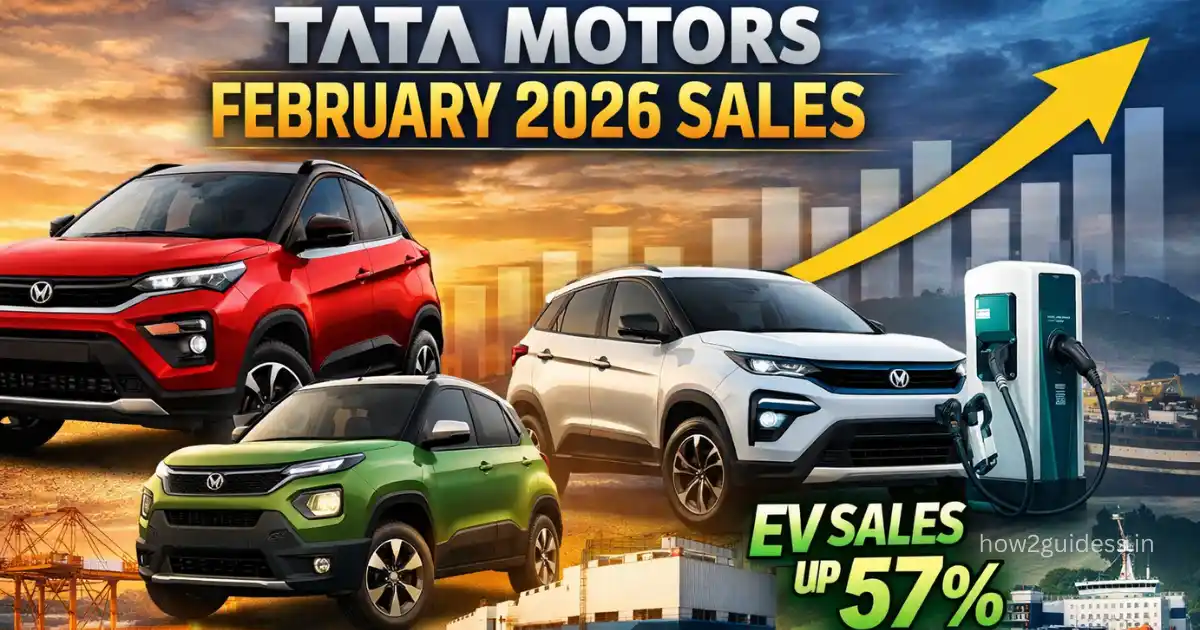
Tata Motors February 2026 Sales: Tata Motors recorded a strong performance in February 2026, reporting total sales of 63,331 units across domestic and export markets. This marks a 35 percent year-on-year increase compared with 46,811 units sold in February 2025.
The growth reflects rising demand across multiple segments, including compact SUVs and electric vehicles, while also highlighting shifts in competitive positioning within India’s passenger vehicle market.
The company’s latest numbers also indicate evolving buyer preferences, increased export traction, and the growing influence of electrification strategies among Indian automakers.
Also Read: Indonesia Pauses Tata and Mahindra Truck Order: What It Means for the Auto Industry
Domestic Market Continues To Drive Growth
A significant portion of Tata Motors February 2026 Sales came from the domestic market. The company sold 62,329 units in India during the month, compared with 46,435 units in February 2025. This translates to a 34 percent year-on-year increase.
Strong domestic performance is particularly notable given the increasingly competitive environment in India’s passenger vehicle segment. With multiple manufacturers expanding their SUV lineups and pushing into electrification, sustaining growth requires both product diversity and competitive pricing.
Tata Motors’ portfolio spans entry-level hatchbacks to premium SUVs, allowing the company to cater to a wide range of buyers. The pricing spectrum ranges from the Tiago at the lower end of the market to higher-priced models such as the Sierra. This broad coverage enables Tata to participate in several high-volume segments simultaneously.
Despite the strong growth, the company slipped to third place in the overall passenger vehicle sales rankings, while Hyundai reclaimed the second position. This shift underscores how competitive the market has become, with small changes in monthly performance capable of altering brand rankings.
Nexon And Punch Lead The Volume Push
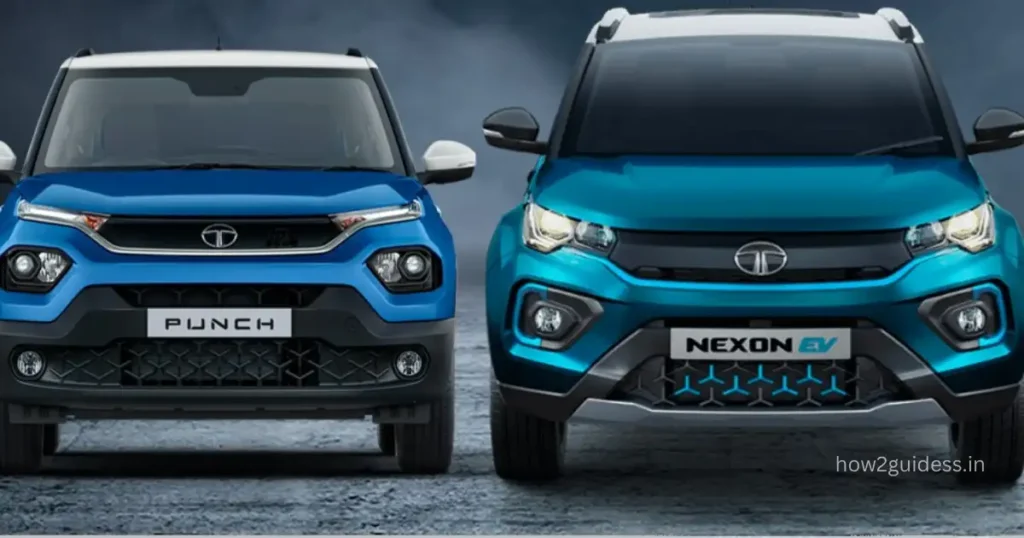
Two compact SUVs played a major role in Tata Motors February 2026 Sales momentum. The Nexon emerged as the company’s highest-selling model with 19,430 units, closely followed by the Punch with 18,748 units.
Together, these two models contributed a substantial portion of Tata’s total monthly sales. Their performance reflects the continued dominance of compact SUVs in the Indian market.
Several factors explain this demand trend. Compact SUVs offer a balance between affordability, practicality, and perceived status. Buyers increasingly prefer vehicles with higher ground clearance, SUV styling, and flexible interior space, even in entry-level price segments.
The Punch, positioned as a micro-SUV, appeals to first-time car buyers and urban users looking for affordability and rugged styling. Meanwhile, the Nexon operates in the highly competitive compact SUV segment and attracts buyers seeking additional features, safety credentials, and multiple powertrain options.
This dual presence across adjacent SUV segments helps Tata Motors capture demand from both entry-level and upgrade buyers.
Electric Vehicle Sales Show Strong Momentum
Tata Motors also reported solid growth in electric vehicle sales. The company sold 8,385 EVs in February 2026, representing a 57 percent increase from 5,343 units in February 2025.
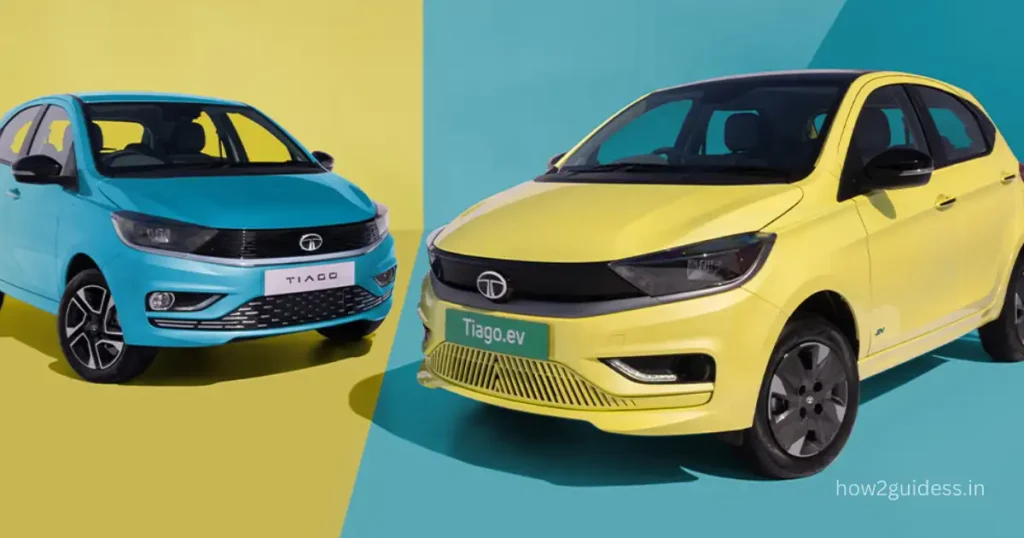
The brand currently offers one of the widest EV portfolios in India, including the Tiago EV, Tigor EV, Punch EV, Nexon EV, Curvv EV, and Harrier EV. This range covers multiple body styles and price points, allowing Tata to address different customer segments within the emerging EV market.
India’s electric vehicle adoption is still at an early stage compared with many global markets, but growth is accelerating due to several factors:
- Increasing fuel prices
- Expanding charging infrastructure in major cities
- Government incentives and policy support
- Growing consumer awareness of running cost benefits
Tata’s early investment in EV development has given it a strong first-mover advantage in the mass-market electric passenger vehicle space. By offering EV versions of popular models, the company has been able to reduce the perceived risk for buyers transitioning from conventional powertrains.
Exports Record Sharp Growth
While exports represent a smaller share of Tata Motors’ passenger vehicle business, the segment recorded notable growth in February.
The company exported 1,002 vehicles during the month, compared with 376 units in February 2025. This represents a year-on-year increase of 167 percent.
Export growth can be influenced by several factors including market expansion in developing regions, currency dynamics, and demand for affordable SUVs in international markets. For Indian automakers, export volumes also help diversify revenue sources and improve production scale efficiencies.
Although the numbers remain modest relative to domestic sales, sustained growth in exports could gradually become a more meaningful component of Tata Motors’ overall strategy.
Expanding Portfolio Supports Market Coverage
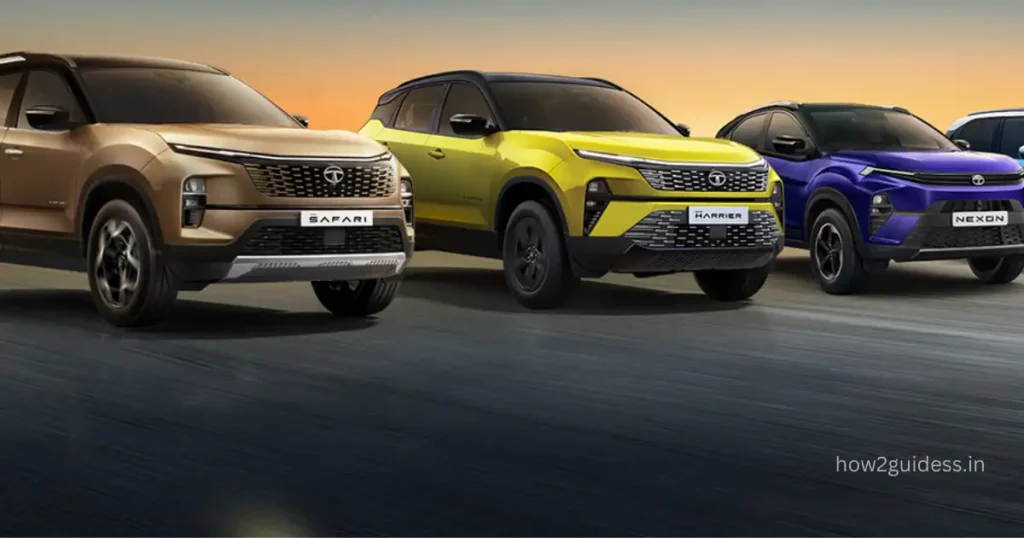
Tata Motors currently offers nine internal combustion engine (ICE) passenger vehicles in India. The lineup includes Tiago, Tigor, Altroz, Punch, Nexon, Harrier, Safari, Curvv, and the recently introduced Sierra.
This portfolio spans several key segments:
- Entry-level hatchbacks
- Premium hatchbacks
- Micro-SUVs
- Compact SUVs
- Mid-size SUVs
Such coverage enables Tata Motors to respond to a variety of buyer needs while maintaining strong visibility across the market.
The strategy also reflects a broader industry trend where manufacturers maintain ICE offerings while simultaneously expanding electric lineups. This dual approach is particularly important in India, where EV adoption is rising but conventional powertrains still dominate overall sales.
Product Pipeline Signals Continued Focus On Electrification
Tata Motors’ upcoming product launches indicate that electrification will remain a central part of its strategy.
The recently launched Punch EV introduces two battery pack options and offers a claimed real-world range of around 355 km with the larger battery. Positioned in the compact EV segment, it aims to bring electric mobility closer to mainstream buyers.
Several additional developments are expected in the near future. The Sierra EV is anticipated to arrive in the coming months, reviving a well-known nameplate with an electric powertrain. Meanwhile, a facelifted version of the Tiago EV has been spotted testing and is likely to launch later in 2026.
Beyond these models, Tata Motors also plans to introduce its first vehicle under the Avinya brand before the end of the year. The Avinya project represents the company’s long-term EV platform strategy aimed at future mobility concepts.
Together, these launches suggest that Tata intends to strengthen its leadership in the domestic EV space while also building a foundation for next-generation electric platforms.
What This Means For Indian Buyers
For consumers, Tata Motors’ expanding portfolio offers greater choice across price segments and powertrain options.
Buyers now have access to electric versions of several popular models without moving into significantly higher price brackets. This gradual expansion of affordable EV options could accelerate adoption among urban commuters and fleet operators.
At the same time, traditional petrol and diesel models continue to remain available, ensuring that buyers who prefer conventional powertrains still have multiple options.
Competition among automakers is also likely to benefit consumers. As brands such as Hyundai, Mahindra, and Tata Motors compete for market share, buyers can expect continued improvements in features, safety equipment, and technology across segments.
Conclusion- Tata Motors February 2026 Sales
Tata Motors February 2026 Sales performance highlights several important trends shaping India’s passenger vehicle market. Strong demand for compact SUVs, rising EV adoption, and a broad product portfolio have collectively supported the company’s growth.
While the brand slipped to third place in the monthly sales ranking, the underlying numbers indicate healthy momentum, particularly in electric mobility and key SUV segments.
Looking ahead, Tata Motors’ expanding EV lineup, upcoming product launches, and continued focus on multiple market segments could play a significant role in shaping its competitive position.
As India’s automotive industry gradually transitions toward electrification while maintaining strong ICE demand, manufacturers that successfully balance both strategies are likely to remain well positioned in the evolving market landscape.
Disclaimer: Tata Motors February 2026 Sales figures, product details, and specifications mentioned in this article are based on publicly available company announcements and industry reports at the time of writing.
Also Read: Maruti Suzuki Sales January 2026: Dzire, Brezza, Victoris Lead as Market Share Falls

Raj Prajapati is a senior automobile content writer at How2Guidess.in with over 3 years of experience in auto news, vehicle launches, comparisons, and EV updates. With a background in Computer Science & Engineering, he focuses on research-based, clear, and reader-friendly automobile content.