
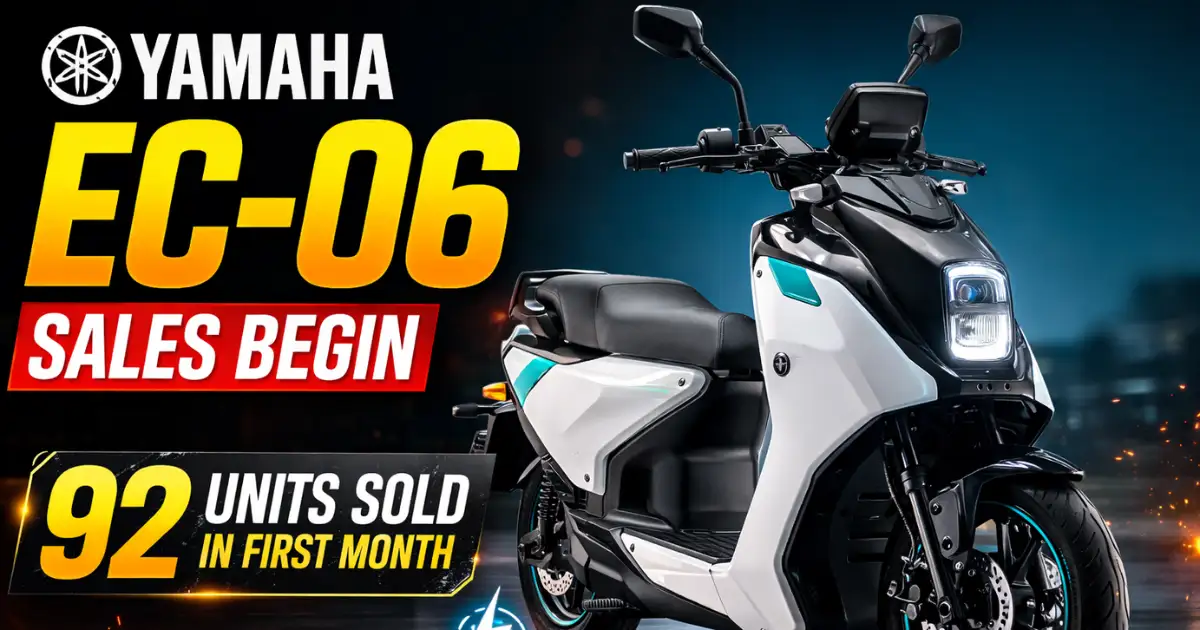
Yamaha Motor has officially begun Yamaha EC-06 sales in India, with 92 units of its first electric scooter dispatched in February 2026. The launch marks the brand’s entry into the country’s rapidly expanding electric two-wheeler market. While the initial number may appear modest, it reflects a broader shift in how Japanese manufacturers are approaching India’s EV space.
The EC-06 is currently Yamaha’s most expensive scooter in India, and its early performance offers insight into the challenges and opportunities premium electric two-wheelers face in a market dominated by affordability.
Also Read: Yamaha January 2026 Sales Analysis: RayZR Leads, MT-15 & Aerox Show Strong Growth
Yamaha’s Late Entry Into India’s EV Market
Japanese manufacturers have historically taken a cautious approach toward electrification in India. While domestic players such as TVS Motor, Bajaj Auto and Hero MotoCorp rapidly expanded their electric two-wheeler portfolios, Japanese brands only entered the segment recently.
February 2026 was the first month when all three major Japanese two-wheeler brands — Honda, Suzuki and Yamaha — had electric scooters in the Indian market simultaneously. However, their combined volumes remain significantly lower than those of established Indian manufacturers.
Electric Two-Wheeler Sales Comparison (February 2026)
| Manufacturer Group | Sales (Units) |
|---|---|
| TVS, Bajaj, Hero | 80,378 |
| Honda, Suzuki, Yamaha | 824 |
The gap highlights how Indian companies currently dominate the EV segment through aggressive pricing, wider distribution networks and earlier market entry.
Yamaha EC-06: A Premium Electric Scooter
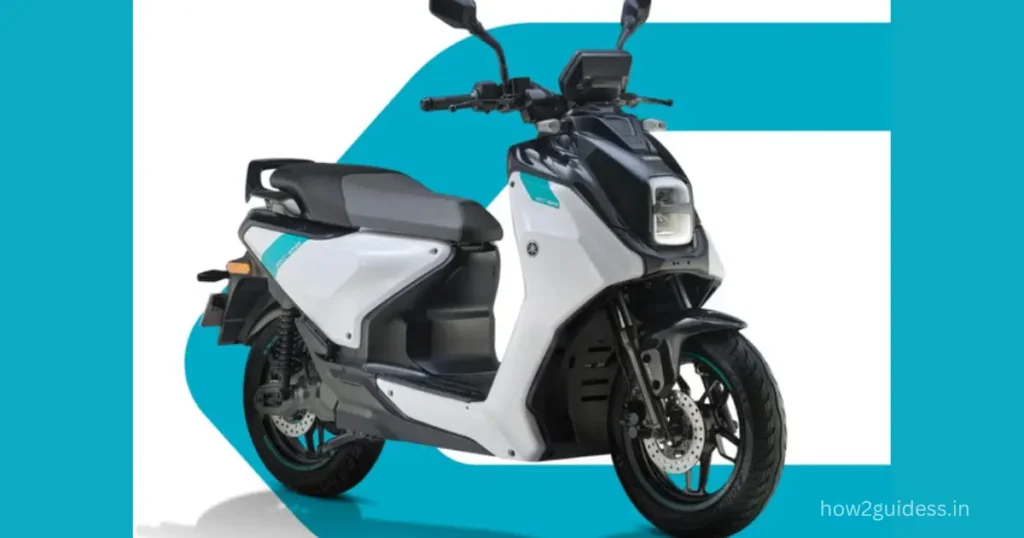
The EC-06 is not an entirely new product. Instead, it is based on the River Indie electric scooter, developed by Bengaluru-based startup River Mobility. Yamaha has collaborated with the company to introduce its own version with revised styling and features.
Production of the EC-06 began earlier this year at River’s Hoskote facility in Karnataka, which manufactures the scooter for Yamaha.
Yamaha EC-06 Key Specifications
| Specification | Details |
|---|---|
| Battery | 4 kWh |
| Motor Output | 6.7 kW (9 hp) |
| Torque | 26 Nm |
| Top Speed | 79 km/h |
| Claimed Range | 169 km |
| Under-seat Storage | 24.5 litres |
| Price | ₹1.68 lakh (ex-showroom Delhi) |
Despite sharing its platform with the River Indie, the Yamaha model features minor changes in bodywork, features and charging characteristics.
Price Positioning: A Key Factor In Early Sales
The EC-06 is priced at ₹1.68 lakh (ex-showroom Delhi), making it around ₹22,000 more expensive than the River Indie, which costs ₹1.46 lakh.
Price Comparison
| Model | Price (Ex-Showroom Delhi) |
|---|---|
| Yamaha EC-06 | ₹1.68 lakh |
| River Indie | ₹1.46 lakh |
The pricing difference may partly explain the scooter’s slow start. While River sold 2,303 Indie scooters in February, Yamaha dispatched only 92 units of the EC-06 in the same period.
Additionally, the EC-06 is currently available in limited cities through Yamaha’s Blue Square premium dealerships, further restricting initial sales volumes.
Premium Electric Scooters Face Market Challenges
India’s electric two-wheeler market is highly price sensitive, especially in the commuter segment. Models from TVS, Bajaj and Ola Electric have succeeded largely due to competitive pricing and strong distribution.
Premium electric scooters priced above ₹1.5 lakh face a different challenge. Buyers in this range often begin comparing them with petrol scooters and entry-level motorcycles, which still offer longer range and faster refuelling.
Another example is the Suzuki e-Access, which also carries a high price tag of around ₹1.88 lakh and has experienced relatively slow demand in its early months.
This suggests that price positioning remains a crucial factor in determining EV adoption in India.
Also Read: Bajaj Auto Sales February 2026: 4.48 Lakh Units Sold With 27% YoY Growth
Limited Availability Also Affects Sales
Another reason for the EC-06’s modest initial Yamaha EC-06 Sales is limited market availability. Yamaha has currently introduced the scooter only in select cities.
In contrast, the River Indie — the scooter on which the EC-06 is based — is already available in around 40 cities across multiple states, giving it a much broader reach.
As Yamaha gradually expands dealership availability and supply, the scooter’s sales could increase over the coming months.
Yamaha’s Broader EV Strategy For India
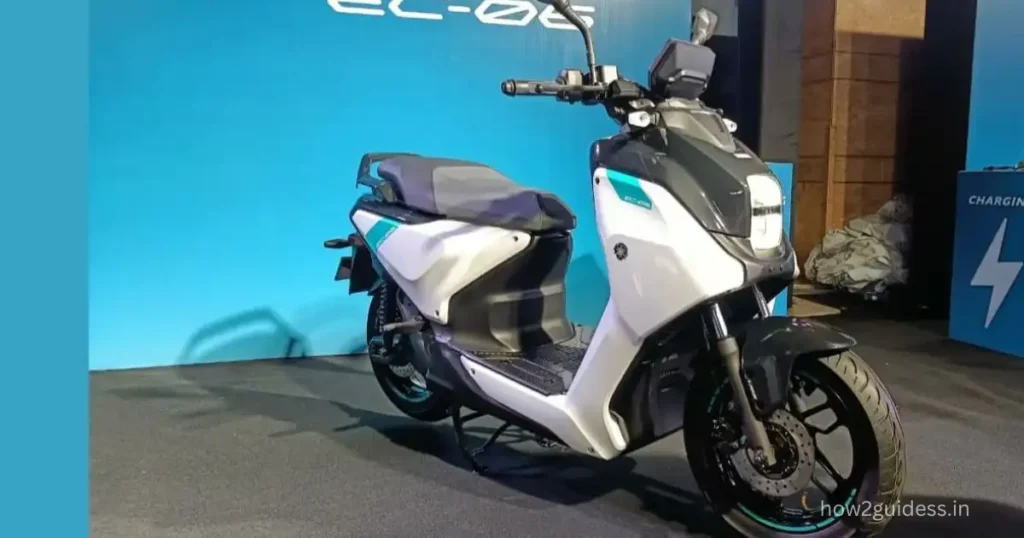
The EC-06 is just the first step in Yamaha’s electric mobility plans for India. The company is also preparing another electric model, the Aerox-E, which will be developed in-house.
Unlike the EC-06 collaboration, the Aerox-E will be manufactured directly by Yamaha in India, aligning with the company’s premium strategy across ASEAN and emerging markets.
Yamaha’s export strength also plays a role in this strategy. In FY2025, the company exported nearly 2.96 lakh two-wheelers, making it one of India’s largest motorcycle exporters. In FY2026 so far, exports have already crossed 3.18 lakh units, representing strong year-on-year growth.
Future electric models produced locally could eventually join Yamaha’s export portfolio, using India as a manufacturing hub.
What This Means For Indian Buyers
For Indian consumers, Yamaha’s entry into the EV market expands the range of options available in the premium electric scooter category. However, early demand suggests that buyers continue to prioritise affordability, practicality and service network coverage when choosing electric two-wheelers.
Premium EVs like the EC-06 may appeal more to enthusiasts or brand-focused buyers, rather than the mass commuter market.
Conclusion
The launch of the Yamaha EC-06 represents an important milestone as the final major Japanese manufacturer enters India’s electric two-wheeler market. However, the initial Yamaha EC-06 Sales figure of 92 units in February highlights the challenges premium electric scooters face in a price-sensitive market.
While limited availability and high pricing have likely constrained early volumes, Yamaha’s long-term strategy — including future models like the Aerox-E and potential export opportunities — suggests the company is positioning itself for gradual growth rather than immediate market share.
As infrastructure improves and consumer acceptance of EVs expands, the success of Yamaha’s premium electric strategy in India will depend on how well it balances pricing, distribution and product differentiation in the coming years.
Disclaimer: Yamaha EC-06 Sales figures, specifications and pricing mentioned in this article are based on publicly available industry data and reports at the time of publication. Actual numbers and availability may change depending on dealership supply and future company updates.
Also Read: Suzuki Motorcycle February 2026 Sales: 1.23 Lakh Units, 37% YoY Growth

Raj Prajapati is a senior automobile content writer at How2Guidess.in with over 3 years of experience in auto news, vehicle launches, comparisons, and EV updates. With a background in Computer Science & Engineering, he focuses on research-based, clear, and reader-friendly automobile content.